
Why Documentation Matters in Workplace Harassment Investigations Across South Carolina
Proper documentation is the foundation of effective workplace harassment investigations, especially in South Carolina, where employers face increasing scrutiny over how internal complaints are handled. From corporate offices in Greenville and Spartanburg to manufacturing facilities along I-85, healthcare employers in Charleston County, and small businesses operating throughout the Midlands, consistent and accurate records are essential to protecting both employees and organizations.

When documentation is incomplete or inconsistent, employers face serious legal, financial, and reputational risks. Gaps in HR compliance documentation can weaken an organization’s ability to defend its actions if a complaint escalates to litigation or a regulatory inquiry. Poor record-keeping may also undermine employee trust, create confusion about investigative steps, and expose businesses to claims that internal workplace investigations were biased or improperly handled. These risks are not limited to large employers; organizations of all sizes across South Carolina are expected to maintain reliable employee documents when allegations arise.
Upstate Private Investigators supports employers statewide by conducting thorough, objective investigations supported by defensible documentation. Our team assists with gathering statements, preserving digital and physical evidence, and organizing employee documents in a way that aligns with best practices and legal expectations. By helping businesses document workplace harassment investigations clearly and professionally, Upstate Private Investigators enables South Carolina employers to respond confidently, reduce exposure, and demonstrate a genuine commitment to workplace integrity.
When Employers Are Required to Conduct an Investigation in South Carolina
Employers across South Carolina are often required to initiate workplace harassment investigations when certain events or warning signs arise. From corporate campuses in Columbia to hospitality employers along the Charleston coast and manufacturing operations near I-26 and I-85, knowing when an investigation is triggered is essential to maintaining compliance and protecting organizational integrity.
One common trigger is a complaint from an employee or a third party, such as a contractor, vendor, or customer. Even informal complaints or concerns raised verbally can create an obligation to act. Prompt internal workplace investigations help ensure issues are addressed early and that employee documents accurately reflect the steps taken in response.
Anonymous reports and whistleblower tips can also require action, even when the source is unknown. Employers in Richland, Greenville, and Horry County are expected to take these reports seriously, assess credibility, and document findings appropriately. Maintaining clear HR compliance documentation in these situations demonstrates good-faith efforts to address potential misconduct.
Observed misconduct by supervisors, managers, or HR personnel is another key trigger. When leadership witnesses inappropriate behavior, an investigation should begin regardless of whether a formal complaint is filed. Federal and state employment laws, including Title VII and applicable South Carolina regulations, further establish legal triggers that require timely, well-documented investigative responses.
Upstate Private Investigators assists employers statewide by identifying when investigative obligations arise and supporting thorough, defensible workplace harassment investigations that meet legal and professional standards.
Initial Complaint Documentation in Workplace Harassment Investigations
Accurate initial complaint documentation sets the tone for effective workplace harassment investigations and helps employers across South Carolina demonstrate professionalism, fairness, and compliance from the very beginning. Whether a concern arises in an office park in Greenville, a retail setting in Mount Pleasant, or a manufacturing facility near I-85 in the Upstate, the way the first report is recorded can significantly influence the integrity of internal workplace investigations.
At the outset, employers should ensure that core details are captured clearly and consistently. Well-organized employee documents not only guide the investigative process but also support long-term HR compliance documentation if questions later arise.
Key elements of initial complaint documentation typically include:
- The date, time, and method of the complaint, noting whether it was submitted in writing, reported verbally, emailed to HR, or raised through an internal reporting system
- The identity of the complainant and the accused, when known, while carefully documented in situations involving anonymous or third-party reports
- A detailed description of the alleged conduct, including locations, witnesses, and the nature of the behavior, without drawing conclusions or inserting opinions
- Immediate actions taken by the employer, such as interim measures, schedule adjustments, or steps to preserve evidence
Employers operating throughout South Carolina—from Lexington County to coastal regions along U.S. Highway 17—benefit from maintaining thorough, neutral records at this stage. Upstate Private Investigators assists organizations by helping structure and review initial complaint documentation so workplace harassment investigations begin with clarity, consistency, and defensible records that support sound decision-making.
Evidence Employers Must Preserve During Workplace Harassment Investigations
Preserving evidence is a critical responsibility once workplace harassment investigations begin, and South Carolina employers are expected to act quickly and methodically. From corporate offices in Downtown Columbia to distribution centers near I-26 and hospitality employers along U.S. Highway 17 in the Lowcountry, failure to retain key materials can undermine internal workplace investigations and expose organizations to unnecessary risk.
Digital communications are often central to these matters. Emails, internal messaging platforms, and text messages may contain direct evidence of alleged behavior or reveal patterns of conduct over time. Properly preserving these materials ensures HR compliance documentation remains complete and defensible, particularly when communications involve supervisors or management personnel.
Security footage and access logs also play an important role in many investigations. Video recordings, badge access data, and timekeeping records can help verify timelines, corroborate statements, or clarify disputed events. Employers operating facilities in areas such as Greenville County, Dorchester County, or near major corridors like I-95 should ensure retention policies are followed immediately once an investigation is triggered.
Personnel files and records of prior complaints must also be maintained carefully. These employee documents may establish context, demonstrate prior corrective actions, or confirm whether similar concerns have been raised before. Mishandling or altering these records can significantly weaken an employer’s position.
Social media and other digital evidence increasingly factor into workplace harassment investigations as well. Public posts, direct messages, or shared content may relate directly to allegations or workplace interactions. Upstate Private Investigators helps South Carolina employers identify, preserve, and organize all relevant evidence so internal workplace investigations remain thorough, compliant, and positioned to withstand legal or regulatory scrutiny.
Witness Interviews and Statements in Workplace Harassment Investigations
Witness interviews are a cornerstone of effective workplace harassment investigations and must be handled with care, consistency, and professionalism. For employers across South Carolina—whether operating offices in Greenville, healthcare facilities in Charleston County, or logistics centers near I-85 and I-26—the way witness information is gathered and documented can directly affect the credibility of internal workplace investigations.
Identifying relevant witnesses is the first step. This may include individuals who directly observed the alleged conduct, employees who work closely with the parties involved, or supervisors with knowledge of prior concerns. In some cases, witnesses may be located across departments or worksites, particularly for employers with multiple locations throughout the state. Properly identifying who should be interviewed helps ensure employee documents reflect a complete and balanced review of the situation.
Documenting interview details is equally important. Employers should clearly record interview dates, times, locations, and participants, along with the role each person plays in the organization. These details become part of HR compliance documentation and help demonstrate that the investigation followed a structured, methodical process.
Witness statements may be collected in written or recorded form, depending on company policy and the circumstances of the investigation. Regardless of format, statements should reflect the witness’s own words without interpretation or commentary. Preserving these statements accurately supports transparency and strengthens the integrity of workplace harassment investigations.
Maintaining consistency and neutrality throughout the interview process is critical. Questions should be asked in a non-leading manner, and all witnesses should be treated respectfully and impartially. Upstate Private Investigators assists South Carolina employers by conducting or supporting witness interviews that are carefully documented, professionally managed, and aligned with best practices for defensible internal workplace investigations.
Investigation Timeline and Process Records in South Carolina Workplaces
Maintaining clear timelines and process records is essential for credible workplace harassment investigations, particularly for employers operating throughout South Carolina. Whether an organization is headquartered in Greenville, manages offices in Columbia, or operates facilities near major corridors like I-26, I-85, or coastal routes in Charleston County, well-documented processes help demonstrate consistency, fairness, and compliance.
Steps Taken During the Investigation
Employers should document each step taken once an investigation begins. This includes when the complaint was received, when it was acknowledged, how evidence was collected, and when witness interviews occurred. Recording these actions in employee documents helps ensure internal workplace investigations reflect a structured and methodical approach rather than an ad hoc response.
Reasoning Behind Investigative Decisions
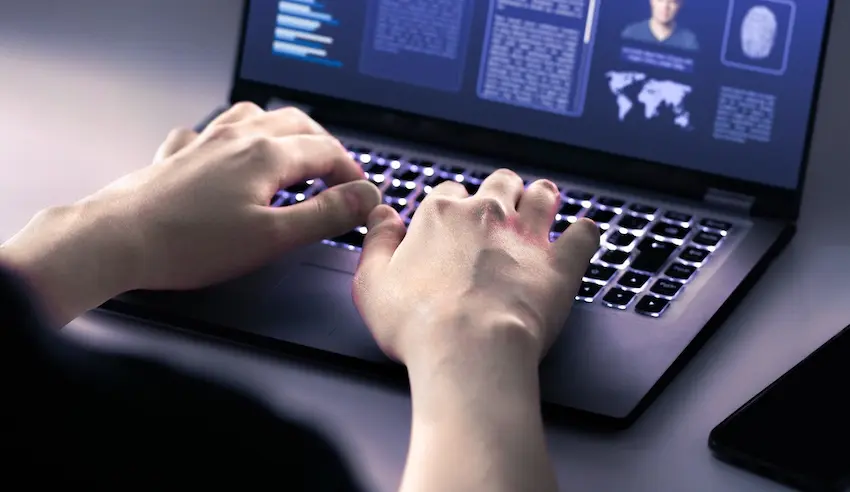
Beyond listing actions, it is important to explain why certain decisions were made. This may involve noting why specific witnesses were interviewed, why particular evidence was prioritized, or why interim workplace measures were implemented. Including this reasoning strengthens HR compliance documentation by showing that decisions were objective, policy-driven, and consistent across cases.
Delays and Justifications
If an investigation experiences delays, those pauses should be clearly documented along with the reasons. Scheduling conflicts, unavailable witnesses, or the need for additional information are common challenges for employers across South Carolina. Transparent explanations help preserve the integrity of workplace harassment investigations and reduce the risk of later disputes.
Communication With Involved Parties
Records should also reflect how and when communication occurred with complainants, witnesses, and accused employees. Documenting updates, notifications, and outcome discussions demonstrates respectful treatment and procedural fairness. Upstate Private Investigators assists South Carolina employers by helping organize investigation timelines and process records that are clear, defensible, and aligned with best practices for internal workplace investigations.
Findings, Conclusions, and Action Taken in South Carolina Investigations
Reaching well-supported findings is a critical phase of workplace harassment investigations, particularly for employers across South Carolina who must demonstrate fairness, consistency, and compliance. Whether the matter arises in an office setting in Greenville, a healthcare facility in Columbia, or a hospitality workplace along U.S. Highway 17 near the coast, clearly documented conclusions help protect organizations and reinforce trust in the investigative process.
Summary of Factual Findings
A clear summary of factual findings should outline what the investigation established based on evidence, interviews, and records reviewed. This section should reference verified facts rather than opinions, drawing from employee documents, digital communications, and witness statements collected during internal workplace investigations. A concise, factual summary helps ensure decision-makers understand what was substantiated and what was not.
Credibility Assessments
Credibility assessments explain how conflicting accounts were evaluated. Factors such as consistency, corroboration, and supporting documentation are often considered when weighing statements. For employers operating across multiple South Carolina locations—such as facilities near I-85 or I-26—these assessments help demonstrate that conclusions were reached objectively and without bias, strengthening HR compliance documentation.
Policy Violations or Compliance Determinations
Once findings are established, employers should document whether the conduct violated company policies or complied with established standards. Referencing specific policies or codes of conduct clarifies how conclusions align with organizational expectations. This step is essential for showing that internal workplace investigations were grounded in policy rather than personal judgment.
Disciplinary or Corrective Actions Implemented
When action is warranted, records should clearly note what steps were taken and why. This may include disciplinary measures, training requirements, or policy updates designed to prevent future issues. Thoughtful documentation of corrective actions reinforces accountability and demonstrates a commitment to maintaining a respectful workplace.
Upstate Private Investigators assists South Carolina employers by supporting clear, defensible findings and action records that align with best practices and help organizations move forward with confidence after workplace harassment investigations.
Confidentiality and Data Protection in Workplace Harassment Investigations
Maintaining confidentiality and protecting sensitive information are essential components of effective workplace harassment investigations, particularly for employers throughout South Carolina. Whether a business operates in Greenville, Clemson, Columbia, or along major corridors such as I-85, I-26, or U.S. Highway 17, careful handling of investigative records helps preserve trust, reduce legal risk, and demonstrate professionalism.
Access to investigation records should be limited to individuals with a legitimate need to know, such as designated HR personnel, legal counsel, or authorized leadership. Restricting access helps ensure employee documents are not improperly shared and supports the integrity of internal workplace investigations, especially in organizations with multiple departments or locations.
Secure storage of investigative materials is equally important. Statements, digital communications, and final findings should be protected using secure electronic systems, encryption, or locked physical storage when necessary. These practices strengthen HR compliance documentation and help safeguard sensitive personal information collected during the investigation process.
Retention policies also play a key role in data protection. Employers should follow consistent guidelines for how long investigation records are maintained and ensure those practices align with federal and South Carolina employment laws. Proper retention demonstrates that workplace harassment investigations are handled systematically and in good faith.
Common Documentation Mistakes Employers Make in South Carolina Investigations
Even well-intentioned employers can undermine workplace harassment investigations through documentation mistakes that weaken credibility and increase risk. Organizations across South Carolina—from offices in Greenville and Spartanburg to hospitality employers in Charleston County or operations near I-95 and I-26—benefit from understanding where documentation often falls short and how to avoid these issues.
One frequent problem is incomplete or inconsistent record-keeping. Missing dates, vague descriptions, or gaps between investigative steps can create confusion and raise questions about whether internal workplace investigations were handled thoroughly. When employee documents do not clearly reflect what actions were taken and when, it becomes harder to demonstrate compliance with established procedures.
Bias or subjective language is another common mistake. Using emotionally charged wording, assumptions, or conclusions instead of neutral, fact-based descriptions can damage the integrity of HR compliance documentation. Records should reflect what was reported, observed, or verified, not opinions about credibility or intent unless those assessments are clearly supported and explained.
Failure to preserve evidence can also compromise an investigation. Emails, messages, access logs, or prior complaints may be lost if retention steps are not taken promptly. Employers operating across multiple locations or departments in South Carolina are especially vulnerable to this issue if evidence preservation responsibilities are unclear.
Delayed or disorganized documentation is equally problematic. Waiting too long to record interviews, findings, or decisions increases the risk of inaccuracies and missed details. Disorganized files make it difficult to reconstruct the investigative process if questions arise later.
How Upstate Private Investigators Assist Employers Across South Carolina
Employers throughout South Carolina rely on professional support when workplace harassment investigations require objectivity, precision, and defensible documentation. From corporate offices in Greenville and Spartanburg to healthcare systems in Columbia and coastal employers along U.S. Highway 17, having an independent partner helps ensure investigations are handled thoroughly and responsibly.
Upstate Private Investigators assist employers in several key ways, including:
- Providing independent, unbiased investigative services that support fair and neutral internal workplace investigations, particularly when allegations involve supervisors, management, or sensitive workplace dynamics
- Supporting evidence collection and documentation, including digital records, physical materials, and organized employee documents that align with HR compliance documentation standards
- Preparing clear, professional investigative reports designed to withstand legal, regulatory, or internal review by presenting findings in a structured, fact-based manner
- Offering support during litigation or regulatory inquiries, helping employers respond confidently to agency requests, audits, or legal proceedings tied to workplace harassment investigations
By working with employers across South Carolina—from operations near I-85 to businesses serving multiple counties—Upstate Private Investigators helps organizations maintain compliance, reduce risk, and demonstrate a strong commitment to workplace integrity through well-documented, defensible investigations.
Strengthening Workplace Harassment Investigations Through Proper Documentation
Thorough, well-organized documentation is one of the most important elements of effective workplace harassment investigations. Across South Carolina—from business districts in Greenville and Spartanburg to healthcare, manufacturing, and hospitality employers in Columbia, Charleston County, and communities along I-26 and I-85—clear records help demonstrate that concerns were taken seriously and handled responsibly. Accurate HR compliance documentation supports transparency, consistency, and defensible decision-making at every stage of the process.

Equally important is maintaining a neutral, professional approach throughout internal workplace investigations. Objective fact-gathering, consistent interview practices, and careful handling of employee documents help protect both the organization and the individuals involved. When investigations are conducted without bias and supported by reliable records, employers are better positioned to resolve issues, prevent escalation, and maintain workplace trust.
For organizations seeking experienced support, Upstate Private Investigators offers independent investigative services tailored to South Carolina employers. Our team helps ensure workplace harassment investigations are documented properly, conducted professionally, and prepared to withstand legal or regulatory scrutiny. Contact Upstate Private Investigators today at [phone] to learn how expert investigative assistance can strengthen your documentation practices and support a respectful, compliant workplace.