
You’re Dealing With a Neighbor Issue—But No One Seems to Take It Seriously
Living in a managed community is meant to create order and comfort, but many South Carolina homeowners discover that repeated neighbor violations can go unresolved for far too long. From subdivisions in Greenville County to coastal neighborhoods near Myrtle Beach, ongoing disturbances—such as parking abuses, noise complaints, or property misuse—can gradually evolve into larger HOA disputes when concerns are ignored or dismissed.
Most residents begin by reporting the problem to their homeowners’ association. Whether the neighborhood sits near I-85 in the Upstate or within a planned community outside Charleston, homeowners often expect the HOA to enforce its rules consistently. However, complaints about disruptive behavior may stall if the association believes there is not enough evidence of neighbor misconduct to justify action.
When proof is limited, tensions between neighbors often increase. Minor issues can quickly turn into ongoing HOA disputes, leaving homeowners feeling frustrated and unheard. Without documentation, these situations frequently become one person’s word against another’s.
This is where credible neighbor misconduct evidence becomes important. By documenting patterns of behavior within appropriate legal boundaries, homeowners can begin building a clearer record of what is happening. Upstate Private Investigators helps residents across South Carolina gather reliable information so community concerns can move from unresolved complaints toward meaningful solutions.
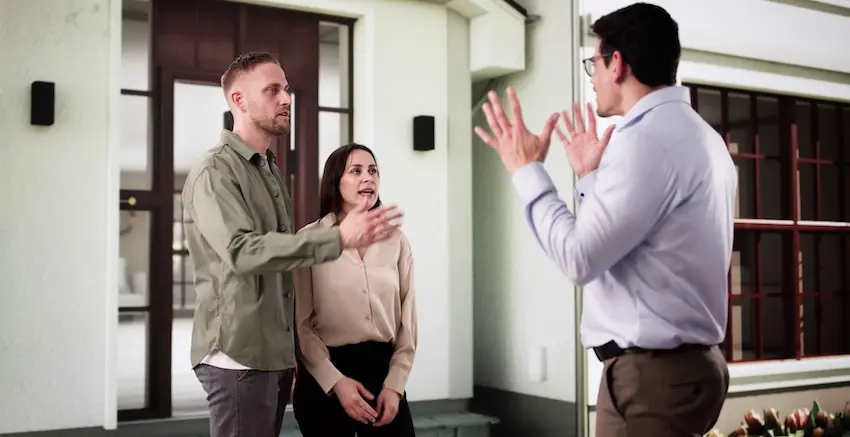
Community Rules Only Work When Enforcement Is Possible
Homeowners’ associations exist to create clear expectations that help communities operate smoothly. When rules are followed, shared spaces remain orderly, and property values are better protected. However, when repeated neighbor violations occur without accountability, frustration can grow, and minor concerns can gradually develop into larger HOA disputes.
When Community Standards Depend on Documentation
Most associations rely on clear documentation before taking enforcement action. HOA boards typically require more than informal reports when reviewing complaints about disruptive behavior, property misuse, or ongoing rule violations. Without credible evidence of neighbor misconduct, boards often hesitate to issue warnings or penalties because they must follow established legal procedures and maintain fairness for everyone involved.
Why Verbal Complaints Often Stall HOA Enforcement
Verbal complaints can raise awareness, but they rarely lead to meaningful action on their own. When concerns about neighbor violations cannot be verified, associations may struggle to move forward without risking legal complications. As a result, repeated incidents may continue unchecked and gradually escalate into prolonged HOA disputes within the community.
Reliable Evidence Helps Resolve Ongoing Community Conflicts
Clear documentation often changes how associations evaluate complaints. Time-stamped observations, consistent reporting, and verifiable evidence of neighbor misconduct allow HOA boards to review situations more objectively and take appropriate steps under legal guidelines. Upstate Private Investigators helps homeowners gather credible information so associations can better understand ongoing issues and work toward resolving HOA disputes in a fair and informed way.
Some Violations Become Difficult to Address Without Clear Proof
Many community conflicts begin with issues that seem obvious to the people experiencing them. Persistent disturbances, misuse of shared areas, or repeated neighbor violations may affect daily life, yet they can still be challenging for an HOA to address without reliable documentation. When situations lack clear evidence of neighbor misconduct, complaints often remain unresolved and may gradually develop into larger HOA disputes.
Repeated nuisance activity is a common example. Ongoing noise disturbances, disruptive gatherings, or late-night activity can impact nearby residents over time. While these concerns are real for those living nearby, associations usually need verifiable records before taking action. Without documentation that shows patterns of behavior, boards may hesitate to intervene because enforcement must follow established legal guidelines.
Property-related concerns can present similar challenges. Unauthorized exterior changes, unapproved structures, or improper use of residential space may conflict with community covenants. However, if those actions are not clearly documented, associations may struggle to determine whether neighbor violations actually occurred. This uncertainty often prolongs conflicts and can contribute to escalating HOA disputes between residents.
Parking concerns and shared-space usage also fall into this category. Repeated misuse of community areas, blocked access points, or ongoing covenant compliance issues can affect multiple homeowners at once. When credible evidence of neighbor misconduct is available, associations are better positioned to evaluate the situation and take steps that align with legal responsibilities.
Building the Right Documentation Can Strengthen Your Position in Community Conflicts
When issues arise inside a managed neighborhood, having clear information often makes the difference between unresolved complaints and meaningful action. Repeated neighbor violations may disrupt daily life, but associations typically require reliable documentation before responding. Gathering credible evidence of neighbor misconduct allows you to present concerns more clearly and can prevent small problems from turning into prolonged HOA disputes.
When You Capture Clear Visual Records, Your Concerns Become Easier to Verify
Photographs, video clips, and organized incident notes can help show what is actually happening. Visual documentation often illustrates patterns that may otherwise be difficult to explain through conversation alone. When you record events consistently, the information can become meaningful evidence of neighbor misconduct, particularly in situations involving ongoing neighbor violations.
Keeping a Timeline Helps You Show Patterns Instead of Isolated Incidents
Tracking dates, times, and repeated activity can help demonstrate that the issue is not a one-time concern. When you maintain a clear timeline of disturbances or covenant breaches, associations can better understand the scope of the situation. These records can also support professional investigations when further review becomes necessary.
When Your Evidence Is Objective, Community Enforcement Becomes More Effective
Associations often rely on neutral documentation when evaluating complaints. When you provide organized records and verifiable evidence of neighbor misconduct, boards are better equipped to review concerns fairly and address developing HOA disputes. Clear documentation helps ensure enforcement decisions are based on facts rather than assumptions.
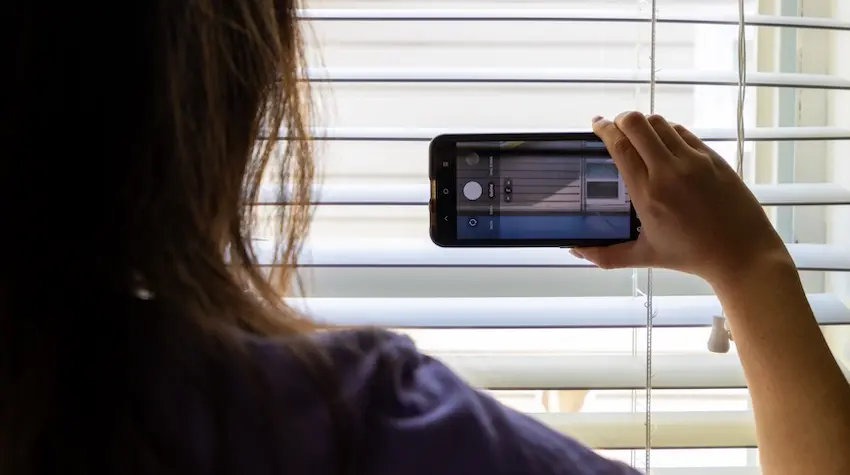
Your HOA Often Requires Clear Documentation Before Taking Action
Homeowners’ associations often want to resolve community concerns fairly, but they usually need verifiable information before stepping in. When repeated neighbor violations are reported, HOA boards typically review the situation carefully before issuing warnings, notices, or fines. Without credible evidence of neighbor misconduct, many associations hesitate to take action because decisions must rely on clear facts rather than assumptions. For many homeowners, this can feel frustrating. You may know that disruptive behavior or covenant breaches are happening, yet informal complaints alone rarely lead to quick solutions. Associations generally rely on structured information when reviewing possible HOA disputes, especially when multiple residents or shared community standards are involved.
Incomplete reports can also slow the process. If incidents are described without specific details—such as dates, times, or consistent patterns—boards may struggle to determine whether neighbor violations are ongoing or isolated. When information is scattered or unclear, the review process can take longer, which sometimes allows the issue to continue unresolved.
Organized documentation often changes how situations are evaluated. Clear records, timelines, and supporting materials help demonstrate patterns that might otherwise be overlooked. When reliable evidence of neighbor misconduct is presented, associations can review concerns more confidently and begin addressing potential HOA disputes in a way that aligns with community rules. For homeowners who need assistance gathering dependable information, Upstate Private Investigators provides professional investigations designed to document ongoing concerns. By helping you build a clear record of events, the firm supports fair evaluation of neighbor violations and helps communities move toward constructive resolution.
When Ongoing Neighbor Conflicts Begin Escalating Without Clear Documentation
What starts as a small disagreement inside a residential community can gradually grow into a much larger issue. Many homeowners experience frustration when repeated concerns about property use, noise, or disruptive behavior continue without resolution. Over time, unresolved problems can evolve into broader HOA disputes, especially when there is little verifiable information available to clarify what is actually happening.
In many situations, tensions increase because the conflict becomes personal. Conversations between neighbors may begin with the intention of solving a problem, but can quickly turn into accusations or misunderstandings. When there is no clear evidence of neighbor misconduct, each side may feel its perspective is being ignored, which can intensify the disagreement and make cooperation more difficult.
Confrontation can also create unnecessary risks. Addressing suspected neighbor violations without documentation sometimes leads to defensiveness or further conflict. Even well-intended conversations may escalate if the other party believes the concerns are exaggerated or unsupported. Without reliable information, disputes may continue to grow rather than move toward resolution.
Neutral documentation can help shift the focus back to facts instead of personal disagreement. Organized records and objective observations make it easier to clarify patterns of behavior and reduce speculation. In some cases, professional investigations provide the impartial perspective needed to understand what is occurring and help communities move forward.
Objective Documentation Can Strengthen Your Position in a Community Conflict
Community concerns sometimes reach a point where informal complaints no longer lead to progress. At that stage, reliable information can help clarify what is actually happening. Situations involving suspected neighbor violations often become easier to evaluate once objective documentation is available. Professional support can help prevent misunderstandings from turning into prolonged HOA disputes.
Clear Records Allow You to Demonstrate Ongoing Patterns
Professional investigations often focus on identifying patterns rather than isolated incidents. By documenting timelines, recurring behavior, and observable activity, investigators can help establish organized records that show how a situation developed over time. This type of structured information can become meaningful evidence of neighbor misconduct when community leadership reviews ongoing concerns.
Discreet Methods Help You Address Concerns Without Escalating Conflict
Many homeowners want solutions without creating additional tension with nearby residents. Professional investigators use careful observation and documentation techniques designed to gather information while keeping situations calm and private. This approach allows you to obtain credible documentation without directly confronting the individual involved.
Your Documentation Helps Community Leadership Evaluate the Situation Fairly
Clear investigative reports often provide timelines, observations, and supporting materials that help decision-makers understand what has occurred. When associations receive well-organized documentation, they are better equipped to evaluate potential neighbor violations and determine how to address emerging HOA disputes. Upstate Private Investigators works with homeowners who want clear, objective information before taking the next step.
Taking the Right Steps When Community Rule Violations Continue
Ongoing issues inside a managed neighborhood can feel frustrating, especially when earlier complaints have not produced results. Repeated neighbor violations sometimes continue simply because the situation has not been clearly documented or communicated through the proper process. Taking thoughtful, organized steps can help shift the situation toward resolution and prevent smaller concerns from evolving into larger HOA disputes.
One helpful step is maintaining clear records of what you observe. Careful notes about dates, times, and specific incidents create a timeline that shows whether the behavior is occasional or part of a continuing pattern. This type of organized documentation can become useful evidence of neighbor misconduct, especially if the situation later requires review by community leadership.
Communication through appropriate HOA channels is also important. Submitting written reports, following association procedures, and sharing relevant documentation allows boards or property managers to review the issue more effectively. When information is presented in a clear and structured way, associations are often better positioned to address potential rule violations and evaluate concerns fairly.

Moving Forward When Community Conflicts Continue
Unresolved neighborhood concerns can become frustrating, especially when repeated neighbor violations continue without clear action. In many South Carolina communities—from neighborhoods near Greenville and Spartanburg to coastal areas around Charleston and Hilton Head—issues can develop into larger HOA disputes simply because associations lack reliable documentation that supports enforcement under established legal guidelines.
Upstate Private Investigators helps homeowners gather clear evidence of neighbor misconduct that brings greater clarity to these situations. Through discreet and professional investigations, the firm documents patterns of behavior and provides organized information that associations can review more confidently when evaluating neighbor violations or ongoing HOA disputes.
If ongoing neighbor violations are disrupting your community and complaints have not produced results, Upstate Private Investigators can help. Contact us today to learn how professional investigations and reliable neighbor misconduct evidence can support fair resolution and restore peace in your neighborhood at [phone]!